Occupied Property Photography: A Practical Plan
Occupied property photography without a last-minute scramble. Coordinate residents, privacy, staging and access before the shoot.
Property Photo Match editorial team · Updated 7 November 2026
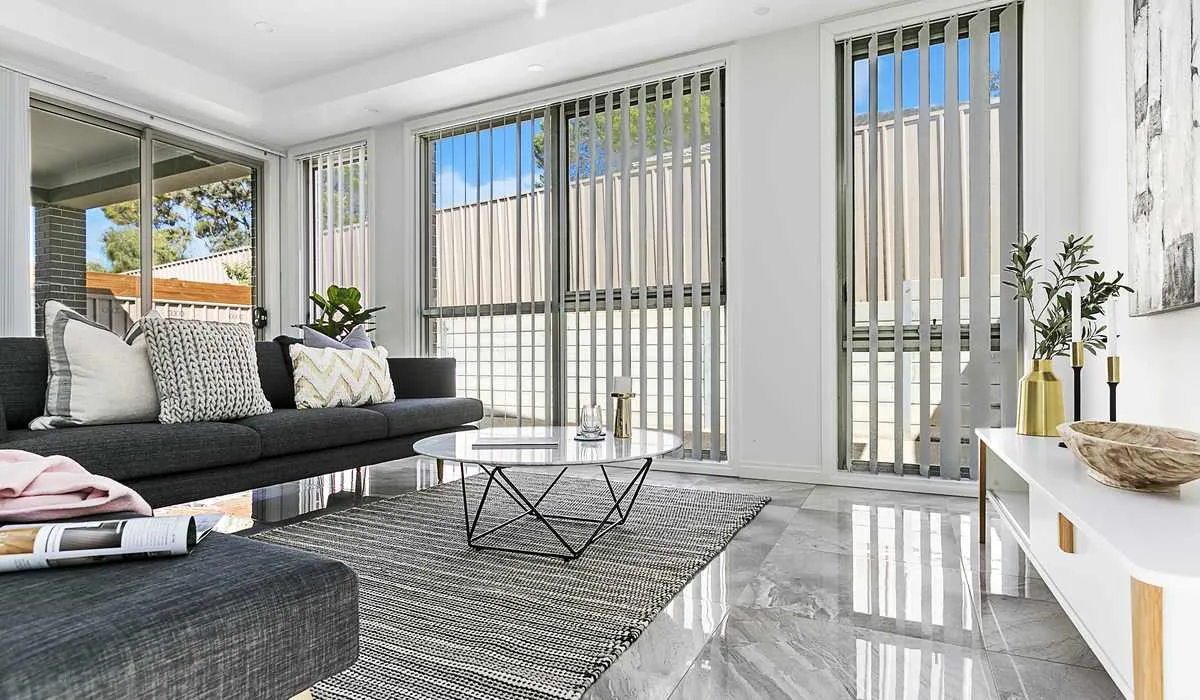
Occupied property photography needs a plan that respects the people living in the home. Agree which areas will be photographed, prepare those spaces in advance and coordinate access through the authorised owner, agent or property manager. A clear plan is more useful than expecting residents to disappear or move everything during the session.
The aim is to show a well-presented, accurate property while keeping household routines manageable. An occupied home can still look inviting. The decisions are about what helps someone understand the rooms, what distracts from them and what should remain private.
Agree the tenant property photography arrangements
For a tenanted home, ask the property manager to coordinate the photography arrangements and any relevant permissions or notice requirements for the property’s jurisdiction. Do not assume the booking confirmation itself authorises entry or publication. Give residents a clear description of the planned media, particularly if video or a virtual tour is being considered as well as still photographs.
Name one person who can settle questions on the day. That might be the agent rather than a resident. Clarify whether anyone will be present throughout the visit, how pets will be managed and which spaces are outside the brief. Resolve disagreements about a room before the photographer arrives.
Choose a realistic preparation standard
Prioritise the main living spaces and any features the campaign needs to show. A family home may need a different preparation plan from a vacant apartment. Move washing, loose toys and portable clutter into an agreed storage area. Keep enough furnishings in place to make the function of each room understandable.
Avoid asking residents to move heavy furniture or valuable objects without an appropriate arrangement. If a room needs substantial styling, book that work separately rather than quietly adding it to the photography session. Tell us if a space cannot be fully cleared; the shot list can be discussed around the actual condition of the home.
Protect personal items before the camera comes out
Make a privacy pass through each included room. Remove mail, visible names, medical paperwork, personal photographs and identifying material on noticeboards where practical. Consider reflective surfaces and screens. Items that look small in the room can become readable in a high-resolution photograph.
The OAIC’s tenancy page suggests removing household items that reveal personal information before advertising photography. Keep that separate from decisions about property presentation: a private document should be put away, not treated as a styling accessory.
If residents have concerns about a particular item or view, record those concerns in the brief. Do not promise that every trace of occupancy will be removed digitally. Discuss what can be excluded at capture and what needs review before publication.
Plan movement through the home
A simple room sequence reduces disruption. Agree where people can wait while the main rooms are photographed and how access to a home office, nursery or shared area will be handled. Allow for the people actually using the building rather than assuming every room will remain empty throughout the visit.
Secure pets in a suitable place with a responsible person. Keep exits and walking routes clear of boxes. Tell the photographer about accessibility needs or other practical limits beforehand, including rooms where equipment cannot be placed.
Give the final selection an appropriate check
The agent or other authorised campaign contact should review the selected media for accuracy and privacy before publishing. Look at the whole frame, not just the main furniture. If an identifying item remains visible, raise it with the agreed file reference rather than describing it vaguely.
When enquiring, tell us that the property is occupied, who will coordinate access and which media you need. We will discuss a practical brief and confirm availability without requiring residents’ private details in the initial form.
Planning a property campaign?
Tell our team the property location, media required and file deadline. JR Photo & Video fulfilment, with scope and availability confirmed before booking.