Property boundary aerial photos: useful context
Review the source and meaning of property highlights and boundary overlays before publication.
Property Photo Match editorial team · Updated 7 November 2026
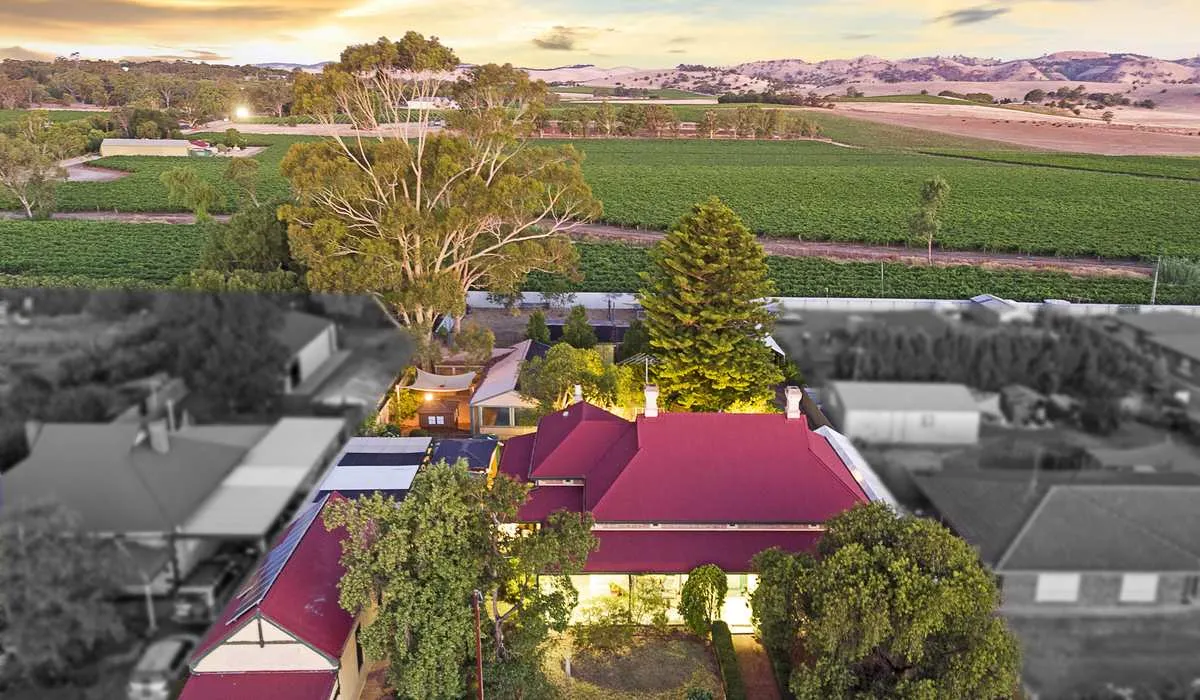
Property boundary aerial photos can help a viewer identify a property within its surroundings. Any overlay needs a clear source and review; the photograph itself is not a survey or proof of the legal boundary.
Decide what the overlay is explaining
An aerial photograph can show the house, outdoor areas, outbuildings and nearby streets together. A highlight or outline can help a viewer identify the subject property when many roofs appear in the same frame. Explain that purpose to the studio before asking for graphics.
Separate a simple location highlight from a boundary representation. A coloured pin indicating the subject house carries a different message from a line that appears to trace the edge of the land. The agent should understand what the graphic is intended to communicate.
Supply a checked reference
Ask the agent or authorised property contact to provide the appropriate boundary information and identify any uncertainty. Do not ask the editor to infer the boundary from a fence, grass colour or image found online. The visible fence and the legal boundary should not be assumed to be the same thing.
Keep the source reference with the artwork approval. If the reference changes, explain that before the final version is used. A photographer’s ability to draw a line on a file does not establish the accuracy of the supplied instruction.
Check the whole frame
Review neighbouring buildings, roads and open spaces as well as the outline. A highlight should not imply ownership of an adjoining reserve or exclusive access to an area that is not part of the property. The campaign approver should also check written captions and any statements about distance or orientation.
NSW’s property advertising guidance emphasises avoiding misleading photographic messages. For an interstate campaign, the responsible agent should check the requirements relevant to that jurisdiction rather than assuming one state’s guidance settles every case.
Keep final approval specific
Identify the exact file and version approved for publication. If the agency later changes the outline, repeat the review rather than relying on approval of an earlier unmarked image. Check that the portal thumbnail does not hide the explanatory caption or make the subject ambiguous.
Tell our team whether you need an aerial location view, a highlight or a boundary-related graphic. We will confirm the available media scope and the information needed for agent approval before the artwork is released.
Planning a property campaign?
Tell our team the property location, media required and file deadline. JR Photo & Video fulfilment, with scope and availability confirmed before booking.