Small Apartment Photography: Plan Useful Views
Small apartment photography that explains layout without exaggeration. Prepare circulation, storage, balconies and shared access before booking.
Property Photo Match editorial team · Updated 7 November 2026
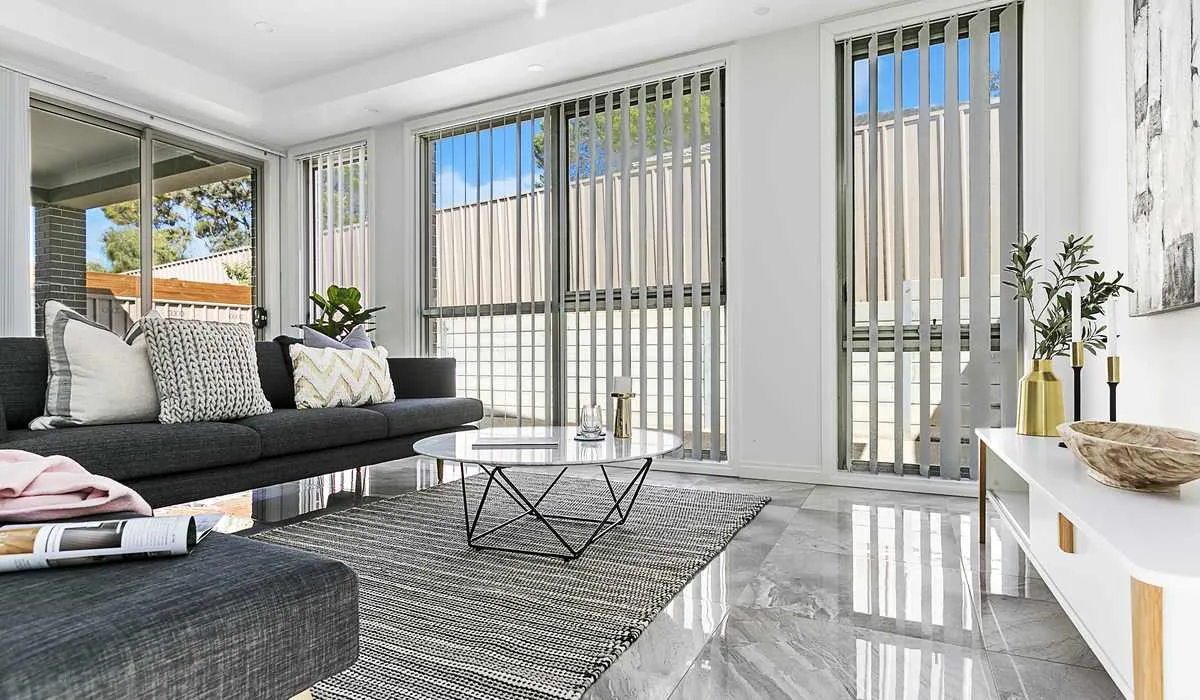
Small apartment photography works best when each view explains something useful about the home. Prepare clear circulation paths, simplify surfaces and plan photographs that show how the living, sleeping and outdoor areas connect. The goal is an understandable apartment, not an exaggerated impression of its size.
A compact property does not necessarily need a large image package. It needs a thoughtful shot list. A studio, a one-bedroom apartment and a two-bedroom apartment with a separate study may each need a different way of explaining the layout.
Give apartment photography a clear brief
Tell us what kind of apartment it is, which level it is on and whether a floor plan is available. Identify features that are easy to miss: integrated storage, a foldaway bed, a study recess or a balcony that connects to more than one room. Mention which fittings or furnishings are included in the sale or rental if that affects the planned presentation.
Separate private spaces from shared facilities in the brief. A communal roof terrace or gym requires an access arrangement and clear context in the campaign. Do not assume that because a facility is in the building it can be photographed at any time or shown without explanation.
Reduce visual clutter without erasing everyday use
Clear benches and tables enough to reveal their shape. Remove excess loose chairs, laundry and packaging where practical. Keep furniture that helps the viewer understand the intended use of the space, rather than stripping the apartment of every indication of scale.
Check the route through the room. An occasional table placed in front of a doorway can make the layout hard to read, even if it looks decorative in isolation. Leave doors and sliding panels in positions agreed for the photographs, and avoid wedging or altering anything that should remain functional.
Show connections between spaces
A useful set might establish the main living area, explain the kitchen connection, show the bedroom and include the bathroom and balcony. The exact list depends on the apartment. Ask whether a doorway view or a photograph from an adjacent room would make the arrangement clearer than another close view of the same sofa.
A floor plan can help viewers follow relationships that remain difficult to show in a still image. Agree whether the project needs a new plan, an update to an existing one or photographs only. Do not use photographs to imply room dimensions that have not been verified.
Handle windows and outlook honestly
Tell the photographer what the campaign needs to communicate about the outlook. Is the relevant feature a private balcony, a courtyard, neighbouring buildings or a distant view? Distinguish a view from the apartment from a separately captured location image.
NSW Fair Trading’s advertising guidance explains how photographs and their context can give a misleading impression. For this project, ask the agent to review how any outlook or amenity photograph is presented, particularly if the property is outside NSW and local guidance also needs checking.
Sort out access and publication details
Provide parking, lift and entry constraints through the confirmed booking channel. If a building manager needs to arrange entry or a shared space is unavailable, resolve that before the shoot. The advertised campaign date should allow for the actual agreed editing and approval process rather than assuming immediate publication.
Send us the suburb, apartment type, required media and intended date. We can discuss the useful views and confirm the scope without needing resident details or building access codes in the initial enquiry.
Planning a property campaign?
Tell our team the property location, media required and file deadline. JR Photo & Video fulfilment, with scope and availability confirmed before booking.